
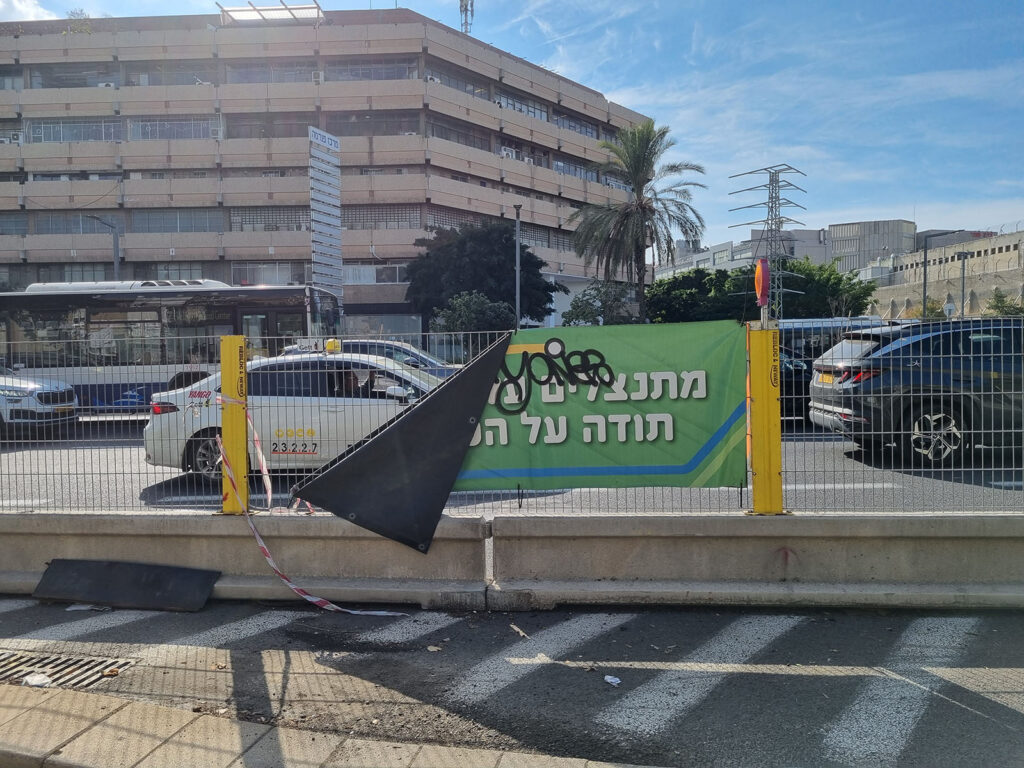
Anyone who has tried getting around—on foot or by car—in central Tel Aviv or Holon in recent years knows the pain that comes with light rail construction:
Dirty construction sites, noise day and night, traffic changes that aren’t communicated (someone wakes up one morning to find their bus stop has been moved—no idea where it went or how they’re supposed to get where they need to go), accessibility issues, safety concerns and a lack of personal security, shrinking public space with no real alternatives, major delays compared to the planned schedule, and little to no resident involvement—fueling alienation and resistance.
It’s hard—really hard—right now. Relief? Later.
The light rail works aren’t even finished, and already infrastructure teams in government and local authorities are facing a national challenge on an entirely different scale. The Gush Dan Metro is Israel’s largest infrastructure project: it is expected to connect 24 municipalities through three lines, 109 stations along roughly 150 km of track, with an estimated cost of NIS 150 billion.
Building infrastructure on a national, historic scale requires more than engineering excellence. It also demands systems thinking about all stakeholders, service design, listening, empathy, and meaningful responses to needs emerging from the public.
I was invited by the “Infrastructure Leaders” program at JDC-Elka to explore how we can reduce the impact on residents’ quality of life during the Metro construction period.
The research—and the conversations with an incredible group that followed—produced a set of short- and long-term recommendations ahead of the Metro project. We reached a shared understanding: user experience doesn’t begin on the day the first passenger boards the train. It begins long before the tunneling machine starts to run.
I presented the key findings and recommendations to the Metro Forum—a forum that includes 40 CEOs, city engineers and architects from 13 local authorities in Phase A of the Metro; VPs, division heads, and line managers at NTA; and senior leaders and professional experts from the Metro Authority, the Ministry of Transport, and the Planning Administration.
Thank you to the Metro Forum for the attentive listening, the questions, and the openness to insights and recommendations that aren’t always easy to hear.
I invite you—planners, engineers, policy designers, and decision-makers—to get on board (pun intended) and integrate user experience thinking from the very start of the journey all the way to the final stop.