
Improving parental satisfaction with early childhood frameworks (ages 0–3)
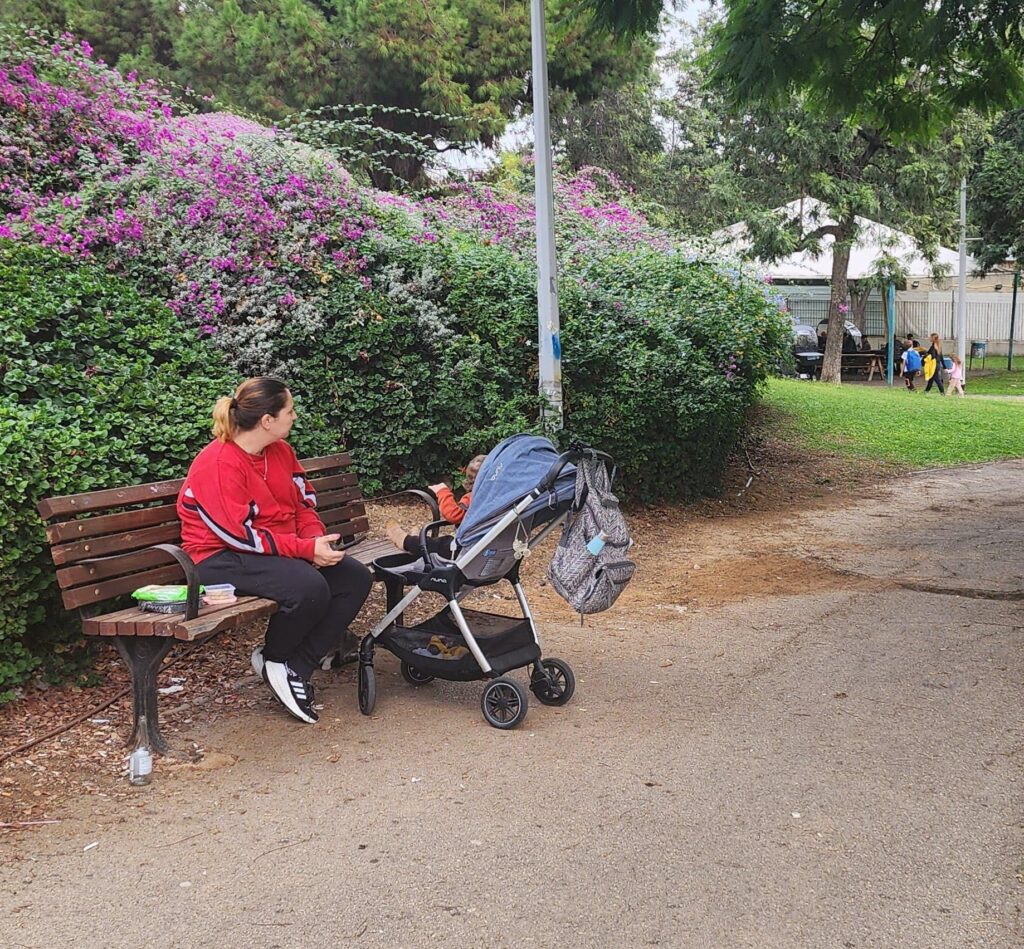
Research consistently shows that investment in education from birth to age three is critical. Yet in Bat Yam—as in the rest of Israel—most early childhood frameworks are privately operated, and there is virtually no connection with the municipality until children enter public preschool at age three.
So how can a municipality intervene and improve parental satisfaction with early childhood education?
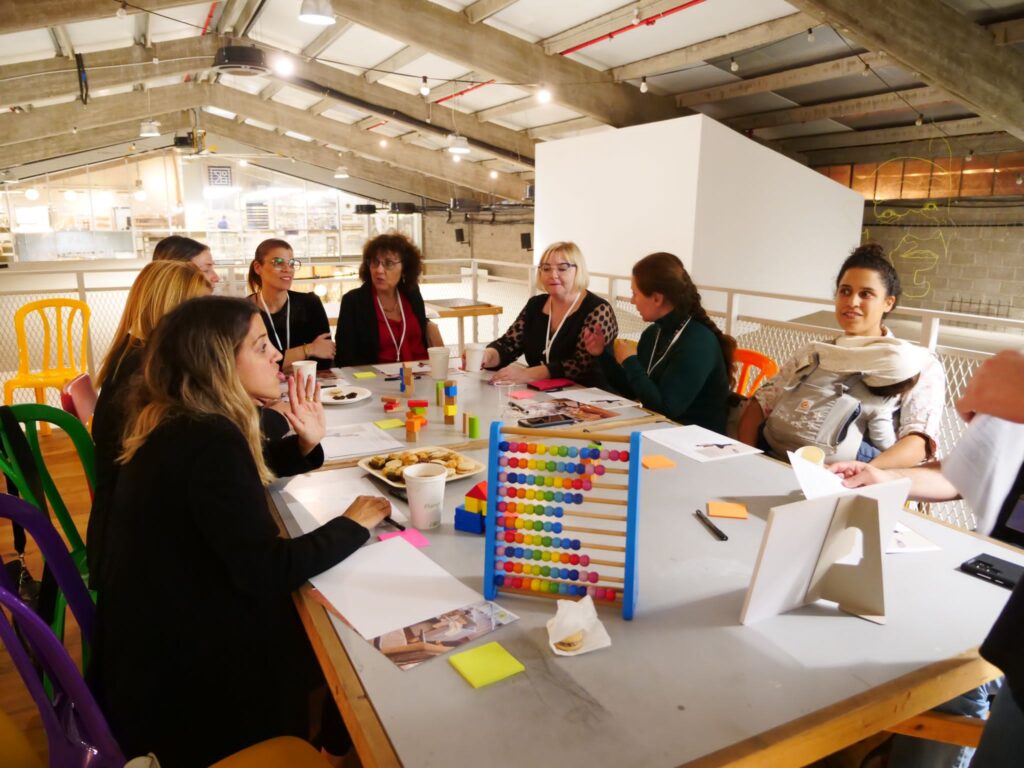
Together with the municipal innovation team, we embarked on a listening journey.
We reviewed research and professional literature on early childhood education, interviewed dozens of parents, educators, and experts, conducted a learning tour, and analyzed municipal data.
The interviews revealed anxiety, loneliness, and uncertainty—alongside a simple but powerful desire: to know their child is in good hands.
Accessible, reliable information and decision-making tools for parents
Many parents are unaware of the available early childhood frameworks in the city. Under time pressure to make decisions, they don’t know where to find information—or what to look for. The challenge is even greater for first-time parents. In the absence of clear information, parents search for signals of quality.
Transparency and trust-building
Publicized cases of abuse and a lack of visibility into daily practices deepen parental mistrust and suspicion. Greater transparency, parental involvement, and trust-building measures can significantly improve relationships between families and educational staff.
Child-appropriate physical environments
Some facilities are located in basements with minimal natural light or ventilation, and with very limited outdoor space. Parents seek environments that offer room to move, play, and grow.
Strong pedagogical content
Especially from age two onward, as children approach municipal preschool, parents look for programs with a clear educational vision and structured pedagogical content. Many of the frameworks we examined do not prioritize educational philosophy, which negatively affects parental satisfaction.
Parental support systems
Parents need supportive communities—within the daycare setting or beyond—for consultation, encouragement, and reducing feelings of isolation. Afternoon hours present an opportunity to connect parents within peer groups and strengthen community ties.

Instead of producing another report, the process generated a new language—
one that speaks of trust, listening, and partnership.
The insights led to a series of new initiatives integrated into the municipal early childhood work plan. But perhaps most importantly—the city began speaking differently about early childhood education.
New collaborations formed between the Engineering, Community, Sanitation, and Education departments—not only around facilities and regulations, but around the lived experience of parenting, safety, and community.