
Resident Experience During Metro Infrastructure Works
“Infrastructure Leaders” Program
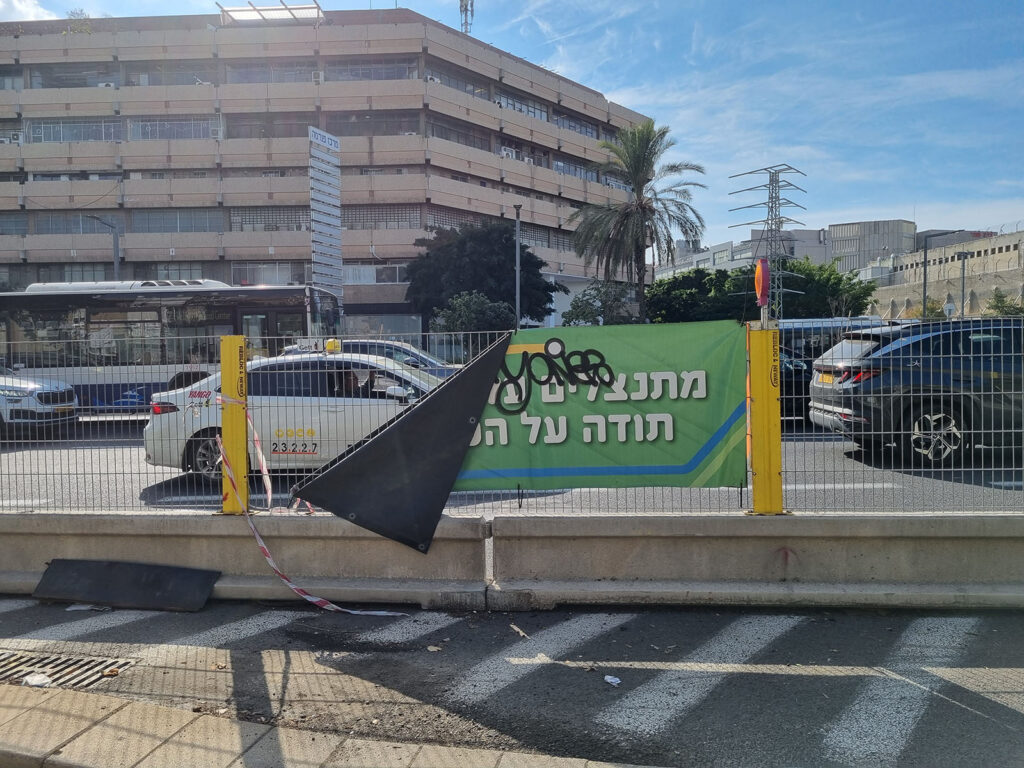
Since 2015, central cities such as Tel Aviv, Bat Yam, and Holon have been living through what many describe as a “digging war.” Construction of the Light Rail’s Red, Green, and Purple lines has significantly disrupted mobility and daily life near work sites.
Meanwhile, infrastructure leaders in government and local authorities are already facing an even greater national challenge. The Gush Dan Metro project—the largest infrastructure initiative in Israel—is expected to connect 24 municipalities through three lines and 109 stations spanning approximately 150 km, with an estimated cost of NIS 150 billion.
Building infrastructure at this historic, national scale requires more than engineering excellence. It demands systems thinking across stakeholders, thoughtful service design, listening, empathy, and meaningful responses to needs emerging from the public.
The “Infrastructure Leaders” team set out to answer a critical question:
How can we reduce the impact on residents’ quality of life during the Metro construction period?
Dirty, disruptive construction environments in city centers
Open sites create a sense of overload, disorder, and neglect in public space.
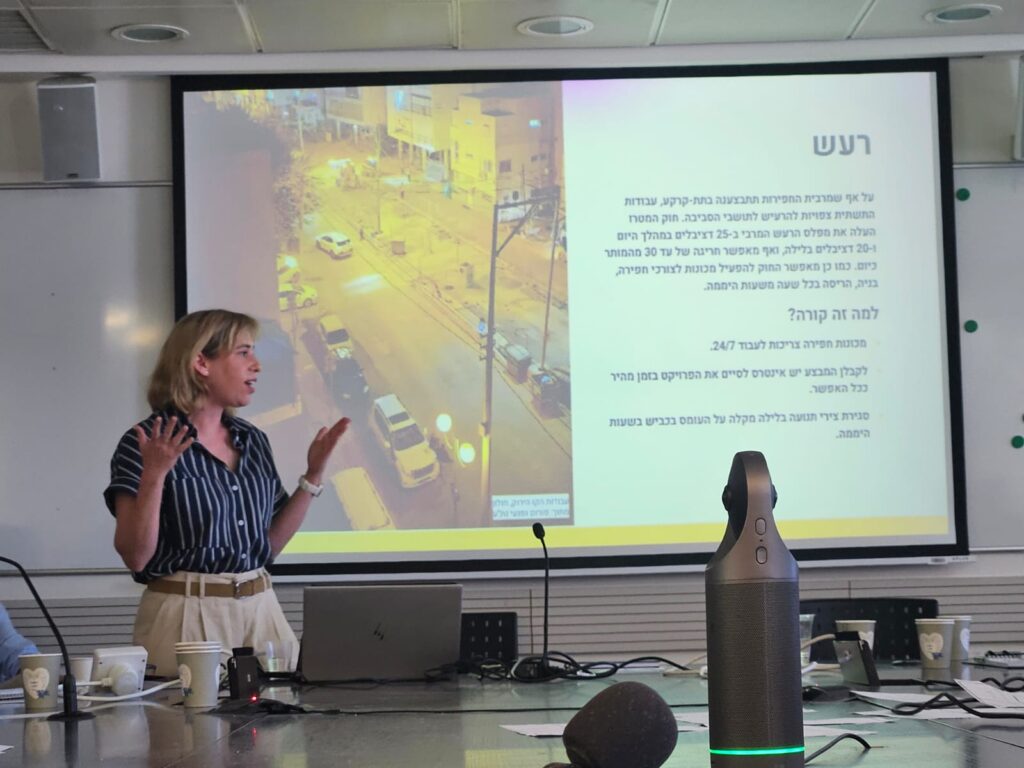
Continuous noise, day and night
Around-the-clock work erodes quality of life and leads to ongoing resident fatigue.
Uncommunicated traffic changes
Bus stops, crossings, and pathways shift without clear notice, generating confusion and daily uncertainty.
Reduced accessibility and personal safety
Barriers, partial lighting, and temporary changes create discomfort and insecurity.
Significant reduction of public space
Pedestrian areas shrink, with limited or no alternative solutions.
Major timeline delays
Extended schedules and planning changes are not clearly communicated, increasing frustration and distrust.
Lack of public engagement
When residents have no meaningful voice, alienation grows—sometimes leading to resistance to development processes.
The team reviewed a wide range of solutions from comparable projects around the world and formulated both short-term and long-term recommendations.
In the short term — hiring an external cleaning company to establish structured cleaning and maintenance routines, adding public art to construction fences, improving lighting, increasing security patrols to enhance the sense of safety around the site, and creating a unified visual standard for temporary construction areas.
In the long term — defining quality performance indicators for site operations and embedding them in contractor tenders, establishing an agreed external oversight mechanism, creating financial incentives for contractors to maintain site cleanliness, encouraging the use of less noisy equipment, and, conversely, strengthening supervision and imposing penalties for failure to meet the standards defined in the tender.