
November has become the month of sales and deals. If there’s one thing I particularly dislike, it’s taking my kids shopping.
They don’t want to go into the store. They don’t want to try things on. They don’t want to get dressed. They don’t want to leave the store. The tag is itchy, the shirt is too warm, the pants are too tight—or too loose. The shoes hurt. They do enjoy running wild in the store, though. Sometimes I consider leaving them there and pretending they’re not mine.
I try to spare myself all this joy—and that’s where online shopping comes in.
For many people, online shopping is the best thing humanity has ever invented. In your spare time, scrolling in front of the TV, in bed, during a break at work, while waiting for the doctor. No leaving the house. No parking. No lines. No fitting rooms. No sweating and no public embarrassment at the mall. The long-awaited clothes arrive right at our door.
But let’s say I measured the kids while they were busy drooling on the couch—and let’s say the item simply doesn’t fit.
Now comes the part where I am worse than anyone: returns.
The bag is respectfully placed by the door. The receipt disappears. Time flies. Even if I manage to physically bring myself to the store on time, I’m still faced with wasted time, parking, standing in line, and more.
Returning it by mail? About as likely as a peace agreement with Syria.
So here’s a free service design tip for all retail chains and delivery companies, courtesy of LinkedIn:
Leave the courier at the customer’s home for ten extra minutes—for fittings.
If it fits perfectly, we win. If it doesn’t, the courier takes it right back.
Bonus level: send two sizes of the same item.
The downsides? Coordinating delivery time with the courier (a separate frustration for another post), and shifting the risk from the customer to the company.
But the advantages—oh, the advantages: reduced return shipping costs, massive savings in time and emotional energy for the customer, and a much lighter trigger finger when ordering online = increased sales.
The customer journey toward that coveted item doesn’t end at checkout—or even at delivery. It ends when the goal that motivated the purchase in the first place is achieved.
A courier who waits during the fitting is an example of service that recognizes the experience continues even after the purchase.
So—which company will be the first to take up the challenge?
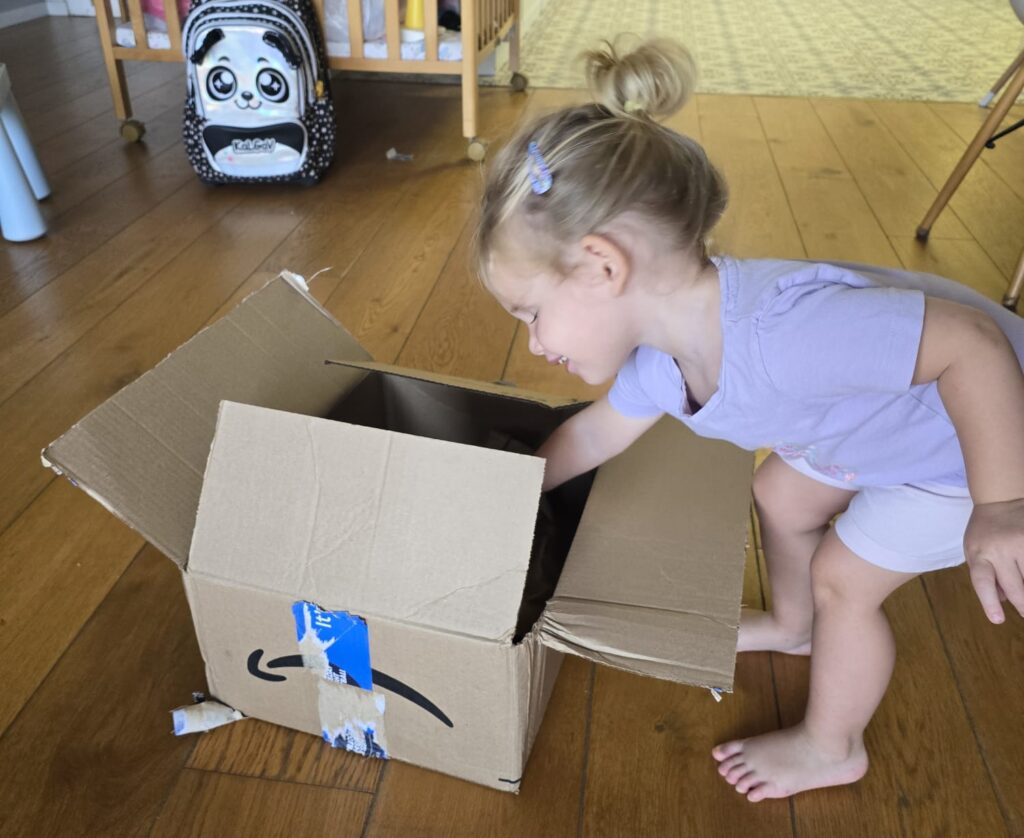
In the photo: unboxing.
*This post is written in the feminine form. Because, let’s be honest.