
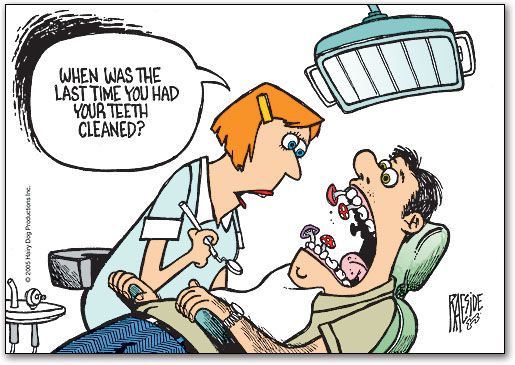
I won’t confess when I last visited the dental hygienist. Like many others—I postponed it. And honestly, when I finally rallied myself to book an appointment, the system didn’t exactly help.
I tried scheduling through the website—it crashed.
I tried again later—no available appointments for the foreseeable future.
The universe was clearly signaling: this isn’t happening.
Then yesterday, after a toothache that left no room for procrastination, I tried again—this time through the call center.
The helpful representative found me an appointment that very evening, just ten minutes from home. I felt like I’d won the dental lottery.
But at 18:40, I got a call.
“You need to come now,” an irritated receptionist said. “The doctor won’t wait an hour for you. She’s already planning to leave.”
Confused, I explained that my appointment was at 19:30.
“But you only booked it two hours ago! You can’t just squeeze yourself in like that,” she scolded.
Offended, I replied, “Squeeze in?! I booked through the call center! They offered me this slot.”
“The call center doesn’t know our clinic and doesn’t understand the doctors’ needs.”
I tried explaining that I was alone with the kids, that it was a 15-minute drive, and that in any case we were talking about 45 minutes.
“Get here as fast as you can, or we’ll cancel your appointment.”
Before my eyes, the dental lottery ticket slipped through my fingers. I arranged childcare at lightning speed and rushed out. I arrived at 19:07—23 minutes before my scheduled time.
But I was only called in at 19:27—three minutes before the original time I had booked.
While waiting, I shot hostile looks toward the receptionist and silently wished upon her a root planing and surgical extraction. But I said nothing.
Why? Because I was afraid to complain while someone with a drill was about to work on my teeth. In my mind ran a horror scenario of an angry dentist taking revenge for her lost time.
When I entered the room, the dentist was pleasant and smiling. The cleaning itself was quick and thorough, and my fears dissolved. At the end, I asked—mouth still numb—why I had been summoned early if I ended up waiting anyway.
She answered honestly:
“I don’t schedule appointments after 19:00. I live in the north and have a long drive home. Since I already had to stay late, I saw someone else until you arrived.”
She also mentioned, tiredly, that she’s not even supposed to perform cleanings—she’s a dentist, not a hygienist.
At that moment, I spit out the last of the fluoride and put on my service designer hat.
What do we learn when we map this journey—from the patient’s perspective and from the doctor’s?
👩⚕️ The Doctor:
Burned out. Overqualified for the task at hand.
Expects the system to respect her boundaries.
Struggling with workload, lack of schedule control, and misaligned coordination.
👩💻 The Patient:
Moves through three disconnected touchpoints (website, national call center, local clinic).
Encounters frustration, confusion, and a lack of control.
Swallows her irritation to receive professional care.
Makes significant effort to “accommodate” the system—and is not rewarded for it.
✅ Three Service Design Principles That Emerge from This Story:
Design with empathy for all sides.
A patient already arrives at a dental appointment under stress. A patient summoned with the threat of cancellation arrives stressed and angry. But the provider is also frustrated—forced to stay later than planned. Service design must consider the needs and emotions of both sides.
Synchronize systems clearly and intentionally.
When a call center and a clinic don’t communicate, damage occurs. If three separate systems (clinic, national call center, website) can schedule appointments, there must be clear hierarchy, authority, and rules of precedence.
Anticipate and design for exceptions—because they happen constantly.
Urgent appointments, walk-ins, substitute doctors—these situations require thoughtful, flexible design.
Time is a precious resource.
Respect both the patient’s and the provider’s time. Working hours, appointment priority, and expected wait times should be transparent, consistent, and visible to both the client and the system.
Build feedback mechanisms.
If “the call center doesn’t understand the clinic,” the problem lies in a system that doesn’t learn from itself. Both internal and external feedback loops are essential for real-time improvement and continuous learning.